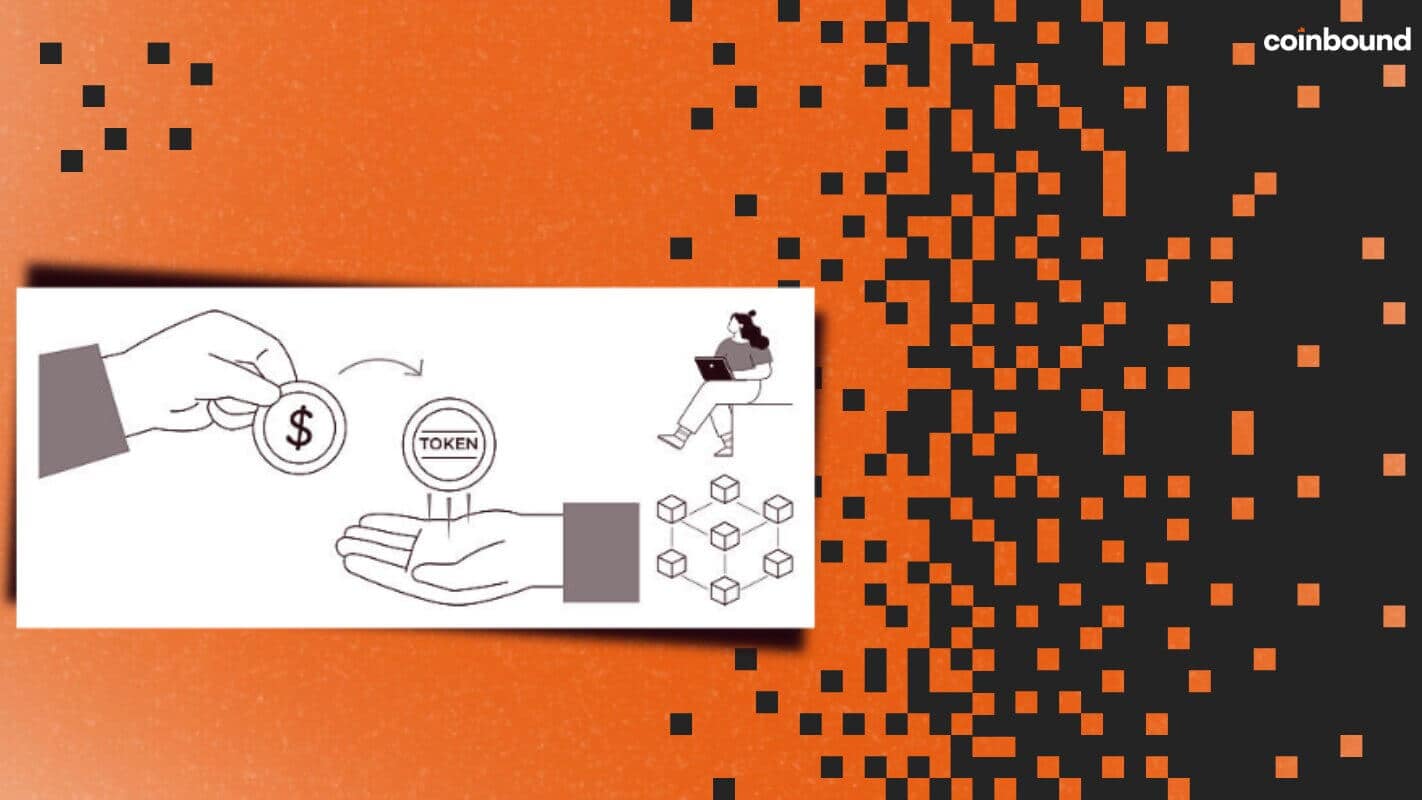
Real World Asset (RWA) projects have emerged as one of the most transformative developments in Web3 and finance, offering a bridge between traditional finance and blockchain innovation. Physical or financial assets converted into tokens on blockchain introduce entirely new mechanisms for access, liquidity and value exchange. RWAs enable broader investor participation and reduce the frictions associated with legacy financial systems.
RWA projects attract two audiences with almost nothing in common. The RWA marketing challenge is that these two groups have almost nothing in common. Crypto-native users evaluate tokenized assets through yield mechanics, on-chain proof, and DeFi composability. Institutional and traditional finance investors need regulatory clarity, custody assurance, and recognizable asset backing. How do you craft advertising that resonates with audiences who speak entirely different financial languages?
Building an effective RWA advertising framework means reaolving the gap between two audiences with incompatible trust frameworks deliberately.
This guide covers the critical messaging strategies and advertising layers that Web3 projects need to win mindshare in the increasingly competitive RWA category.
Also see: From NFTs to RWAs: The Marketing Evolution of On-Chain Ownership
Why Standard Crypto Ad Frameworks Don’t Work for RWAs
RWAs pull in investors from both traditional finance and crypto communities. That dual appeal means you have to balance clear, familiar language with the innovative aspects of on‑chain value. Prospects often ask:
- How is the asset held or custodied?
- What yield or return can I expect?
- What protections or disclosures exist?
Traditional crypto advertising frameworks often focus heavily on hype or buzz. RWA audiences, especially institutional ones, demand clarity, transparency, and trust first.
Your RWA Advertising Framework should prioritize long‑term confidence.
Also See: How to Launch an RWA (Real-World Asset)
Core Components of a Web3 RWA Advertising Framework
1. Clear Value Proposition
Begin with what the asset does, who it’s for, and why it matters now. This cornerstone guides all other messaging.
A strong RWA value proposition should answer:
- What real‑world asset is tokenized?
- How does blockchain improve access or efficiency?
- What are the expected benefits for investors?
Keep this message concise and repeat it across channels like landing pages, paid ads and press releases.
2. Educational Narrative
RWA advertising has a longer conversion path than most crypto products because the decisions are more complex. A DeFi-native user may understand yield mechanics but have no frame of reference for how custody works on tokenized real estate. A TradFi investor may understand bonds but not on-chain yield distribution. The education layer targets the specific knowledge gap blocking each audience from converting.
Helpful educational layers include:
- Simple explainers on how tokenization works
- Comparisons to familiar investment vehicles
- Short primers on risk, custody, and yield models
These pieces set your advertising apart from basic crypto hype and position your brand as a trusted resource.
3. Audience‑Specific Messaging Tiers
A one‑size‑fits‑all message rarely works for RWAs. Break your messaging into tiers:
Crypto Natives: Focus on yield mechanics, on‑chain proofs, and integration with DeFi protocols.
Traditional Investors: Emphasize guardrails, regulatory compliance, and asset credibility.
Institutional Stakeholders: Highlight audit readiness, legal frameworks, and custody solutions.
Understanding each audience’s primary drivers helps you personalize your creativity and call‑to‑action. A tailored hierarchy will boost the relevance of your ads.
4. Trust Signals and Proof
For RWAs, trust is non‑negotiable. Ads should integrate tangible credibility cues:
- Third‑party audits or legal attestations
- Custody solutions or regulated partners
- Historical performance data
- Clear disclosure of risks
Adding trusted signals reduces friction and supports conversions.
Also see: RWA Marketing Playbook: Channels, Compliance and Conversion Tactics That Actually Work
Advertising Channels That Amplify Your Framework
Different audiences respond to different platforms. Here’s how to approach the mix:
Paid Media and Crypto‑Native Platforms
Use a crypto ad network and native platforms to reach Web3‑savvy users who already engage in blockchain environments. Coinbound’s guide on crypto paid media mix explains how these formats work within the broader advertising strategies and help retarget engaged users across environments.
Social and Influencer Amplification
Influencers remain powerful in Web3. They translate complex messages into understandable narratives that feel authentic. Choosing the right creators in Web3 and crypto helps expand reach while reinforcing your RWA’s educational messaging framework. For influencer tactics tailored to RWA offerings, see our guide on Influencer and KOL Strategies for RWA Marketing.
Content and Organic Channels
Paid advertising in the RWA space has a ceiling. Many high-intent institutional and TradFi audiences research before they engage with any campaign, which means your organic presence either supports or undermines whatever your ads are saying. Educational landing pages, in-depth explainers, and meaningful guides do the credibility work that a display ad cannot. Quality, helpful content gives prospects somewhere to go when they’re not ready to convert but are actively evaluating. Aligning that content with your paid messaging ensures the full funnel is telling the same story. For a broader look at how Web3 content strategy fits into a full marketing mix, Coinbound’s Web3 Marketing Guide covers the architecture in detail.
Measurement and Iteration
A strong RWA Advertising Framework evolves with data. Track these key performance indicators:
- Engagement rates on educational content
- Click‑through rates across audiences
- Conversion rates by channel and message tier
- Cost per acquisition for each audience segment
Use these metrics to refine headlines, visuals and audience targeting.
Frequently Asked Questions About RWA Advertising
A structured messaging and channel strategy built around the specific trust and education requirements of tokenized real-world asset projects. It defines how to position the asset, segment audiences by financial background and risk tolerance, and sequence advertising across paid, organic, and influencer channels to move prospects from awareness to conversion.
RWA messaging carries a heavier compliance and credibility burden. Most crypto products are marketing to people already inside the ecosystem. RWA projects are also reaching institutional allocators and traditional finance investors who need regulatory clarity, custody assurance, and recognizable asset backing before they engage. The bar for proof is higher, the conversion path is longer, and a single message cannot serve both audiences.
No single platform dominates. Crypto-native ad networks reach Web3-savvy users already operating in blockchain environments. Social platforms and KOL content translate complex RWA mechanics into narratives that feel credible to broader audiences. SEO and educational content build the long-term organic visibility that supports paid campaigns. The right mix depends on which audience segments you’re prioritizing and where they are in the decision cycle.
Third-party audits, legal attestations, regulated custody partnerships, and transparent risk disclosures. Historical performance data where available. These need to be surfaced in the ad itself, not linked out to a whitepaper. Institutional audiences in particular will not go looking for proof — it needs to meet them where they are.
Start with what each audience already understands and build from there. Crypto natives respond to yield mechanics, on-chain proof, and DeFi composability. They want technical specificity, not reassurance. Traditional retail investors need familiar asset references and plain-language explanations of how tokenization changes access and returns. Institutional stakeholders require audit readiness, legal framework clarity, and custody detail before anything else.
The underlying asset is the same across all three. The entry point into that asset’s value proposition is different for each. For a deeper look at how audience segmentation works on Web3 marketing and across crypto product categories more broadly, Coinbound’s Web3 Audience Research Guide covers the full framework.
Significantly. RWA tokens often qualify as securities under existing frameworks, which means advertising is subject to the same disclosure requirements and restrictions as traditional financial products in many jurisdictions. Claims about returns need to be accurate and qualified. Certain audiences cannot be targeted without accreditation verification. Misleading or incomplete messaging creates legal exposure, not just reputational risk. Legal review of ad copy is not optional for RWA projects — it’s part of the production process.
Conclusion
RWA projects that win on advertising do so because they treat the dual-audience problem as a design constraint. The messaging architecture, the trust signals, the channel mix, all of it flows from understanding that crypto-native and TradFi audiences need different entry points into the same asset’s value proposition.
If you’re building or scaling an RWA project and need a team that understands both sides of that equation, talk to Coinbound’s RWA marketing team.