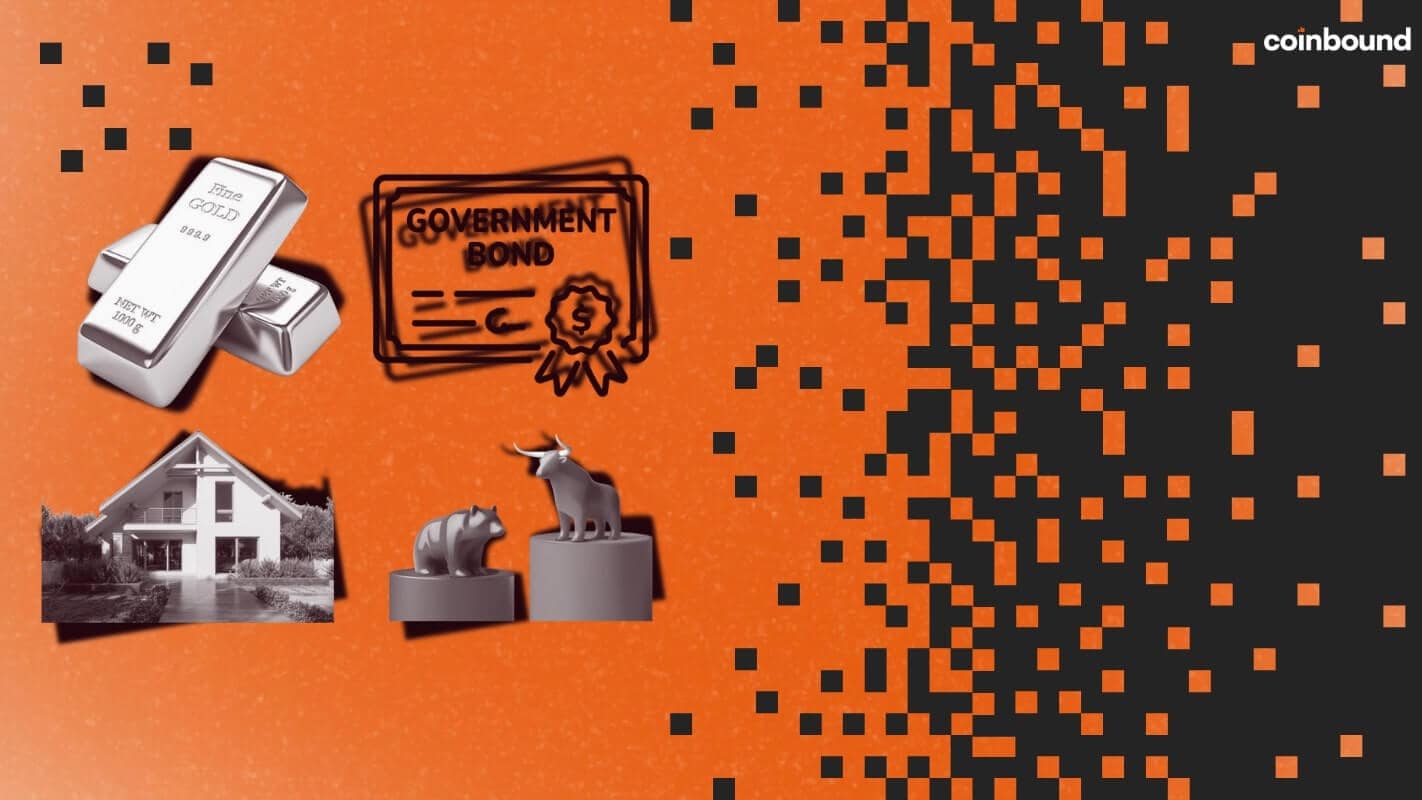
In Web3, launching RWA (Real-World Asset) means taking a physical or traditional asset and representing it digitally on the blockchain. This process bridges the gap between real-world value and decentralized finance, allowing assets like real estate, private credit, bonds or even fine art to exist and trade on-chain. By tokenizing these assets, projects can unlock liquidity, enable fractional ownership and introduce new financial models that weren’t possible in traditional markets. Investors gain easier access to diversified opportunities, while issuers can reach a global audience without relying on legacy financial intermediaries.
However, successfully launching an RWA requires careful planning. The process involves navigating regulatory compliance, smart contract design, custody management and market positioning. Each layer—legal, technical and operational, must work in harmony to ensure transparency and trust. Below is a step-by-step guide to help your project or institution launch RWA effectively and sustainably.
Key Takeaways
- Real-world assets show what happens when technology meets something tangible. Value becomes visible, traceable, and open.
- Each token carries a piece of reality that can move anywhere in the world and it changes how people think about ownership.
- A strong RWA begins with trust. Every decision shapes how that trust is earned.
- The more programmable an asset becomes, the more responsibility you take on to ensure it does what it says.
- Liquidity has to be planned, incentivized, and maintained.
- The work is long-term. It’s about building something that can sustain itself in a transparent way, without shortcuts.
- When real value and digital precision meet, finance stops being distant. It becomes something people can actually touch and understand.
Also see: How to Launch a Crypto Token in 15 Steps
What Is an RWA?
A Real-World Asset (RWA) refers to a tangible or traditional financial asset that has been tokenized and brought onto the blockchain. This means that something which exists off-chain like real estate, private credit, invoices, fund shares, or commodities, is represented digitally as a token that can be traded, fractionally owned or used in decentralized applications.
The goal of RWA tokenization is to:
- Enable fractional ownership of high-value physical assets.
- Increase liquidity and accessibility for investors.
- Bridge traditional finance (TradFi) and decentralized finance (DeFi).
RWA tokens serve as a digital wrappers that link real-world ownership rights or claims to a blockchain-based record. The token’s metadata can represent legal contracts, valuation data or yield distribution rights. This connection ensures that holders of the token have verifiable and enforceable rights to the underlying physical or financial asset. Tokenization transforms how assets are issued, traded and managed, making processes faster, more transparent and more inclusive.
The impact of RWAs extends beyond accessibility. Tokenized assets can unlock liquidity in traditionally illiquid markets, reduce barriers to entry for global investors and enable programmable financial structures such as automated dividend payments or fractionalized lending. For example, a luxury apartment can be divided into thousands of tokens, allowing investors from anywhere in the world to buy and trade portions of it on decentralized exchanges.
In recent years, the RWA market has grown at an unprecedented pace, becoming one of the most promising bridges between traditional finance (TradFi) and decentralized finance (DeFi). According to CCN, the on-chain value of RWAs has already reached tens of billions of dollars, with major institutions and DeFi protocols integrating tokenized treasury bills, real estate funds and credit markets. Analysts estimate the RWA market surpassed $230 billion in 2025.
This surge highlights a growing recognition that the future of finance lies in merging real-world assets with blockchain technology creating a hybrid financial ecosystem that combines the trust and structure of traditional markets with the efficiency and openness of Web3.
Why Launch a Real-World Asset?
Launching an RWA opens a powerful gateway between traditional assets and decentralized finance. By tokenizing physical or financial assets, projects can create new investment opportunities, improve capital efficiency, and reach audiences that were previously inaccessible. Here’s why many institutions and Web3 startups are turning to RWAs as a key growth strategy:
- Liquidity unlock: Tokenization allows investors to trade fractional pieces of an asset instead of needing to purchase it in full. This lowers entry barriers and makes previously illiquid assets like real estate or private debt accessible to a wider pool of investors.
- Global access: RWAs open markets to investors across borders, creating a global marketplace that operates around the clock. With blockchain technology, individuals and institutions can invest in diverse asset classes without the limitations of geography or traditional financial infrastructure.
- Programmability: Through smart contracts, RWAs can include built-in functionality such as automated dividend distribution, transfer restrictions or voting rights. This programmability ensures transparency, reduces manual errors and enhances investor confidence.
- Efficiency: On-chain settlement eliminates many middlemen that typically slow down transactions and increase costs. With automated verification and blockchain-based recordkeeping, transfers are faster, cheaper and more secure.
- New yield models: Once tokenized, RWAs can integrate into DeFi ecosystems enabling new yield opportunities through lending, staking or liquidity pools. This adds flexibility and utility that traditional financial products can’t easily match.
Despite these advantages, launching an RWA also presents challenges. Regulatory uncertainty, complex custody arrangements, valuation disputes and limited secondary market liquidity remain critical risks. Projects that plan carefully and engage with legal and technical experts can mitigate these issues and build sustainable, compliant RWA ecosystems.
Step-by-Step: How to Launch a RWA
Below is a roadmap for launching a real-world asset token. You can think of it as a pipeline from ideation to market.
| Phase | Key Activities | Risks & Mitigations | |
| 1 | Asset Selection & Due Diligence | Choose an asset with clear legal title, stable value, and potential demand. Perform property title checks, cash flow analysis, audits, appraisal, etc. | Legal title disputes, overvaluation. Mitigate via third-party audit, legal opinion, escrow. |
| 2 | Legal / Regulatory Framework | Determine whether the token is a security, a commodity, or a utility. Consult legal counsel. Register or qualify under securities laws if needed. | Noncompliance, regulatory enforcement. Mitigate via proper legal structuring (e.g. security token compliant framework). |
| 3 | On-Chain Architecture & Design | Decide blockchain, token standard (e.g. ERC-3643, or compliance-ready standard), smart contract structure, tokenomics, redemption logic. | Design flaws, smart contract bugs. Mitigate via audits, formal verification, modular upgradeability. |
| 4 | Custody, Oracles & Asset Linking | Secure custody for the physical asset or underlying rights. Use oracles or attestation systems to connect off-chain data (valuation, status) to on-chain state. | Data tampering, custody failure. Mitigate via multisig, trusted oracles, redundancy, periodic audits. |
| 5 | Token Issuance & Distribution | Mint tokens, set up whitelisting, KYC/AML, distribute to initial investors or public sale. | Poor distribution, concentration risk. Mitigate via caps, staggered vesting, broad access. |
| 6 | Secondary Markets & Liquidity | List token on exchanges or decentralized markets, integrate with liquidity pools, allow borrowing/lending. | Low liquidity. Mitigate via incentive programs, market-making, partnerships. |
| 7 | Ongoing Governance & Servicing | Maintain compliance, manage cash flows, pay dividends or distributions, handle buybacks or redemptions. | Operational risk, compliance drift. Mitigate via transparent reporting, third-party audits, governance protocols. |
Choosing Standards & Blockchain
Selecting the right blockchain is one of the most important decisions when you launch an RWA. It determines not only cost and scalability but also interoperability, regulatory compatibility, and user trust.
Ethereum: and its Layer 2 networks (such as Arbitrum, Optimism, and Base) remain the most popular options due to their strong developer communities and deep integration with existing DeFi protocols. These ecosystems offer the liquidity, tooling and security needed to support tokenized real-world assets. However, some projects choose specialized blockchains or permissioned ledgers designed specifically for compliance and asset tokenization, such as Hedera Hashgraph or private enterprise blockchains. These alternatives often provide higher throughput and built-in identity frameworks that simplify regulatory adherence.
When developing the token itself, it’s essential to use a compliance-aware token standard, like ERC-3643 or similar models. These standards allow issuers to embed Know-Your-Customer (KYC) checks, whitelist management and transfer restrictions directly into the token’s smart contract. Features like pausing, freezing or revoking tokens are crucial in regulated environments where issuers need flexibility to meet compliance requirements.
Equally important are oracles and attestation systems, which serve as bridges between off-chain and on-chain data. They feed trusted information such as asset valuations, payment performance, or ownership changes into the blockchain. This ensures that the RWA’s digital representation remains accurate and synchronized with its real-world counterpart. Without reliable oracles, the connection between the token and the underlying asset can break down, undermining investor confidence and regulatory trust.
In short, your choice of blockchain and token standard forms the technical foundation of your RWA. Prioritizing compliance, scalability and data integrity from the start will make your launch smoother and far more resilient.
Legal and Compliance
Before minting any token, confirm under which regulatory regime it falls (securities, commodities, utility, etc.). The classification depends largely on the underlying asset and how the token behaves (e.g. yields, governance rights).
You should engage legal counsel early to structure the token in a compliant way (for example issuing under an exemption, or via a licensed entity). Faulty legal design is a major risk.
Liquidity & Market Strategy
Even after a successful token issuance, many RWAs face low trading volume and limited secondary market activity, which can discourage investors and hinder price discovery. Liquidity is often the most challenging part of an RWA project’s lifecycle, as traditional investors and DeFi participants operate under different risk and regulatory expectations.
To counter this, projects should approach liquidity strategically from day one. Here are several proven tactics:
- Incentivize market makers or liquidity providers: Encourage professional market makers or community participants to provide liquidity through rewards, fee sharing or token incentives. A well-balanced liquidity pool can stabilize prices and attract organic trading activity.
- Use bootstrapping rewards: Offer limited-time incentives for early liquidity providers or investors, such as yield boosts, governance rights or early access to future tokenized offerings. These programs help create momentum during the initial launch phase.
- Partner with exchanges or DeFi protocols: Collaborate with centralized exchanges (CEXs) and decentralized platforms (DEXs) that specialize in tokenized assets. Integrating your RWA into existing DeFi protocols, lending markets or liquidity pools can expand accessibility and demand.
- List on specialized RWA platforms: Leverage RWA-focused platforms that already aggregate institutional investors and verified users. Platforms such as RWA.xyz or Securitize Marketplace offer exposure to audiences familiar with asset-backed tokens and compliance-driven trading environments.
- Offer redemption or buyback mechanisms: Provide clear pathways for investors to redeem tokens for the underlying asset or receive buybacks at a transparent floor price. These mechanisms build confidence, reduce downside risk and make investors more willing to hold or trade your RWA.
By combining liquidity incentives with strong partnerships and transparent redemption structures, your project can establish a healthy, self-sustaining market for tokenized assets, ensuring that your RWA remains both accessible and valuable over time.
Also See: Market Making Strategies for Crypto: Boost Liquidity and Token Stability
Launch RWA: Best Practices & Tips
- Start with small, manageable assets to test your infrastructure and compliance before scaling.
- Engage with regulators and do transparency. Being proactive reduces legal risks.
- Use modular contracts and upgradeability to allow patches without burning all your capital.
- Build community and token incentives to drive interest and liquidity.
- Monitor and audit continuously—both on-chain and off-chain operations.
- Plan for token lifecycles including redemption, buybacks, or winding down if needed.
Tools, Ecosystems & Partners
- Tokenization platforms & infrastructure: Tokeny, Securitize, Vertalo, etc.
- Oracle / data attestation: Chainlink and other services that bring off-chain data on-chain.
- RWA data platforms / analytics: RWA.xyz (aggregates on-chain RWA data)
- Legal & compliance frameworks: Study regulatory guidance in the jurisdictions you operate.
- DeFi protocols & AMMs: Integrate with other DeFi primitives to enhance utility and liquidity
How Coinbound Supports RWA Launches
Bringing a real-world asset on-chain isn’t just a technical challenge, it’s a market challenge. Getting the structure right is one thing. Getting people to care, trust, and participate is another. Coinbound helps Web3 teams launch RWAs with the clarity and traction they need to succeed in both. That includes go-to-market strategy, investor messaging, liquidity alignment, and positioning across the DeFi and institutional space. Whether you’re tokenizing real estate, credit, or fund shares, Coinbound works with you to turn complex products into real adoption
FAQs About Launching a Real-World Asset (RWA)
Does every RWA token count as a security?
Not always. It depends on the nature of the rights the token gives. If it offers profit, dividend or voting rights, it may be treated as a security under many jurisdictions.
How do you ensure the real asset backs the token?
Custodial mechanisms, third-party audits, and real-world attestations or oracles are used. You can also escrow legal ownership until certain conditions are met.
What blockchains are good for RWAs?
Ethereum (and Layer 2s), Hedera, XRP Ledger, and specialized chains all have merits. Choose based on cost, compliance tooling, and adoption.
How do I attract liquidity?
Use incentives, bootstrap liquidity, partner with exchanges or DeFi projects and offer transparent redemption or floor mechanisms.
What is the biggest challenge?
Regulatory compliance and maintaining trust between the off-chain and on-chain world. Misalignments or breaches could severely harm credibility.
Also See: How to Increase Liquidity for a DeFi Platform | Guide and Tips
Conclusion
Launching an RWA is far from simple, but it represents one of the most promising frontiers in the evolution of blockchain technology. By bridging traditional finance (TradFi) and decentralized finance (DeFi), RWAs create a more connected and inclusive global financial ecosystem. Projects that carefully navigate the legal, technical, and market stages can transform static, real-world assets into dynamic, tradeable on-chain instruments that unlock new sources of value.
The key to success lies in strong planning and execution. From ensuring compliance and secure custody to building liquidity and investor trust, every step of the process matters. A well-structured RWA launch not only expands access to global capital but also showcases how blockchain can modernize traditional asset markets.