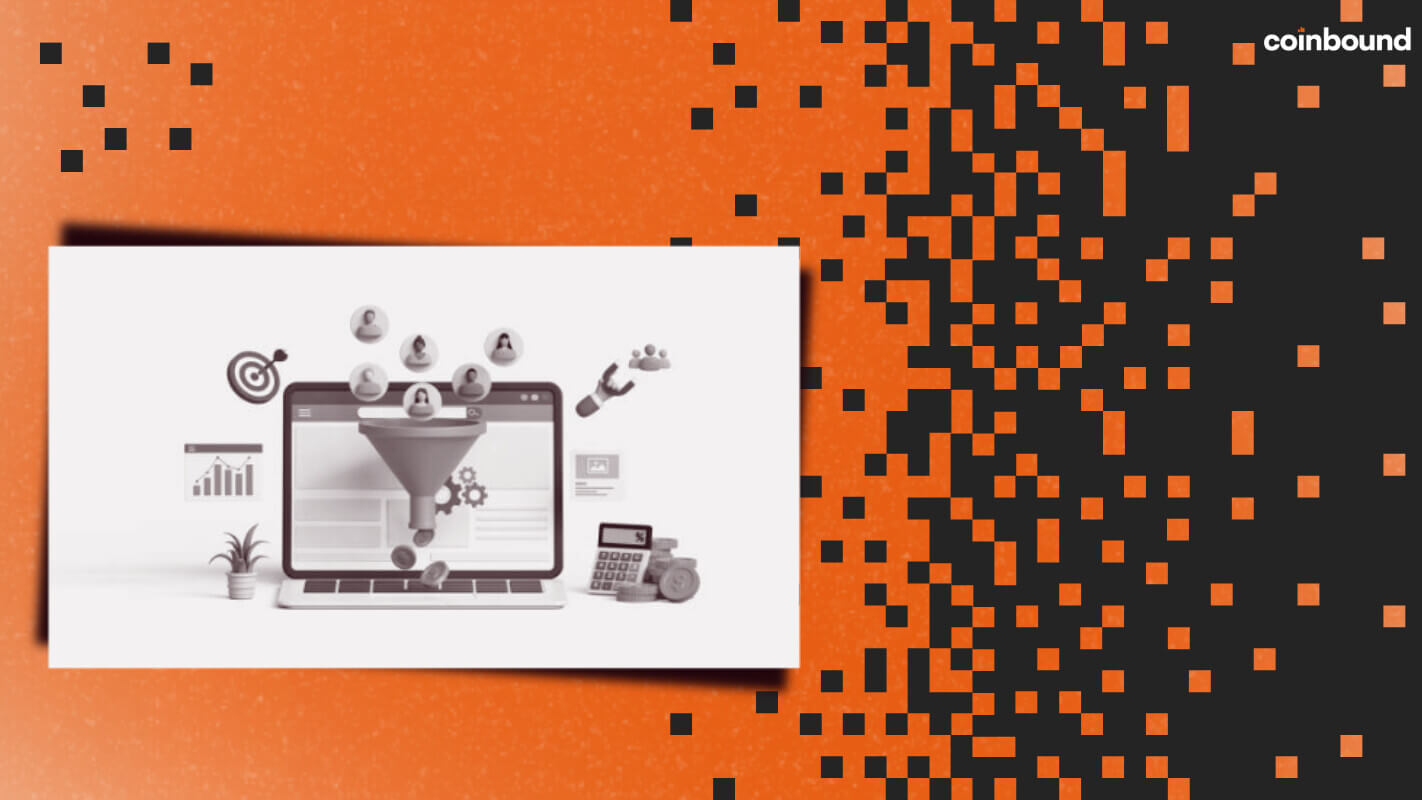
In 2026, understanding a Web3 marketing funnel isn’t just about moving users from awareness to conversion. It represents a complete shift in how brands approach digital engagement. Rather than simply driving traffic or collecting leads, today’s funnels must support the decentralized, user-first ethos of Web3. That means building long‑term relationships rooted in transparency, trust and real value exchange.
Web3 users are participants, stakeholders and co-creators. A modern Web3 marketing funnel needs to foster community ownership, empower users through on-chain actions, and create incentive structures that reward active participation. Tokens, governance roles, NFTs and staking mechanisms all play a role in keeping users invested.
A solid Web3 marketing funnel moves people from curiosity to commitment in stages. It starts by getting their attention through the right content, the right voices, the right channels. Then it makes the next step easy: clear onboarding, useful resources, reasons to stick around. As users get comfortable, you give them ways to participate: token incentives, platform features, community involvement. The end goal isn’t just keeping them; it’s turning them into advocates who bring others in.
Also see: Retention Strategies for Token Holders and Active Users
Why the Web3 Marketing Funnel Matters More in 2026
Web3 differs from traditional digital marketing because users participate rather than just consume. They own tokens, join DAOs, interact with dApps and expect meaningful rewards for participation. A well‑designed funnel balances educational content with on‑chain incentives and community tools that support real utility and retention.
Core Stages of a Successful Web3 Marketing Funnel
1. Awareness and Discovery
This stage introduces your brand to relevant audiences. Here you focus on clarity and credibility rather than hype. Show up where your audience already is (Twitter/X, Discord, Telegram) with content that explains what you do and why it matters. Educational content about Web3 basics can help, but tie it back to your project’s role in the space. The goal is to make people curious enough to look closer.
2. Engagement and Education
Once people know you exist, give them reasons to stick around and learn more. That means guides, explainers, AMAs, tutorials, content that makes complex ideas feel approachable. In Web3, education does a lot of heavy lifting: it lowers the barrier to entry and builds the confidence people need before they commit.
Make this stage practical. Walk users through wallet setup, show them exactly how onboarding works, break down your tokenomics in plain terms. Track what’s getting engagement; it tells you whether you’re actually moving people from curious to interested.
3. Conversion and Activation
Conversion in Web3 means a user takes an action that signals meaningful engagement: e.g. connecting a wallet, minting an NFT, staking tokens or performing on‑chain transactions.
Incentives help here. Offer token rewards, access passes or gamified milestones that reward early adopters for completing desired actions. This not only increases conversions but signals community value and participation.
You should also optimize the onboarding flow to reduce friction from interest into action. Smooth wallet integrations, user support and simple UX speed up this transition.
4. Retention and Community Growth
Unlike many Web2 funnels, the end of a funnel in Web3 isn’t a destination, it’s a loop. Retention measures how users stay engaged and continue interacting with your ecosystem. Retained users are more likely to contribute content, refer others, or participate in governance.
Build retention by fostering strong social channels, running community‑focused incentives, and launching periodic quests or challenges. Over time, you want members to help you expand the funnel organically.
Tracking retention rates and on‑chain activity gives you actionable insight into how sticky your product and community really are.
Also See: How to Use Decentralized Social to Strengthen Your Web3 Brand
Trends Shaping Funnels in 2026
Adaptive Journeys Over Linear Funnels
Traditional funnels were linear. In 2026, successful funnels adapt in real time to individual user signals. AI‑driven personalization helps tailor messages, offers, and next steps based on past behavior and engagement patterns. Though how well this works depends heavily on data quality and privacy constraints.
Community‑Led Expansion
Communities are not just audiences, they are growth engines. Loyal members co‑create content, offer peer support, and invite new users through referral systems. Tools like DAOs give users a stake in governance, which drives retention in ways traditional loyalty programs can’t match.
Transparency and Trust First
With more regulatory scrutiny and widespread skepticism toward hype, transparent communication isn’t optional. Projects that prioritize clear messaging, verifiable milestones, and honest storytelling earn adoption faster than those chasing short-term spikes.
The Attribution Problem
One of the biggest challenges in Web3 marketing right now is attribution. Wallet-based identity, cross-chain activity, and privacy-preserving tools make it difficult to trace where users actually came from or what drove conversion. Most projects are working with incomplete data, which means funnel optimization often relies on directional signals rather than precise tracking. This isn’t a solved problem; it’s something to build around, not ignore.
Also see: Web3 Analytics Stack: How to Build an Attribution System Without Google Analytics
How to Measure a Good Web3 Funnel
A quality funnel tracks real engagement, not vanity metrics. Key performance indicators include:
- Active wallet connections
- On‑chain transaction frequency
- Retention and repeat participation
- DAO engagement and governance participation
- Conversion efficiency from awareness to activation
These metrics help you evaluate the health of your funnel and refine at each stage for better outcomes.
Also See: Crypto Design That Converts: Real UX Decisions Behind Retention
Frequently Asked Questions
What makes a Web3 marketing funnel different from a Web2 funnel?
Web3 funnels must build trust and community participation, not just clicks and leads. On‑chain actions, tokens, and decentralized incentives play a central role in driving and measuring engagement.
Can Web3 funnels work without token incentives?
Yes, but incentives help accelerate conversion and retention. Other forms of value like exclusive access, community roles or governance rights also motivate participation.
How long does it take to optimize a Web3 funnel?
It depends on your project and audience, but expect iterative improvements over months, with data guiding refinements at each stage.
What analytics tools help measure Web3 funnel performance?
Tools such as Dune Analytics, Nansen, and Glassnode reveal on‑chain behavior, while engagement can be tracked through platforms like Discord analytics and social listening tools.
How does community engagement influence the Web3 marketing funnel?
Community engagement is central to the success of a Web3 marketing funnel. Active communities foster trust, drive user-generated content and organically promote your project. Engagement through AMAs, DAO participation or quests not only retains users but also encourages viral growth through word-of-mouth and referrals.
What are the most effective content types for each stage of the funnel?
In the awareness stage, use educational blogs, influencer content and explainer videos. During engagement, leverage webinars, tutorials, and community events. For conversion, focus on clear calls-to-action, incentive campaigns and onboarding walkthroughs. Retention thrives with newsletters, governance updates and gamified loyalty programs.
Conclusion
Web3 marketing in 2026 comes down to whether people trust you enough to stick around. A good funnel makes that easier: it removes friction, explains what you’re about, and gives users reasons to keep showing up. But no funnel fixes a weak product or empty promises. Get the basics right first: be clear about what you’re building, make onboarding painless, and treat your community like it matters. The rest is refinement.
If you’d rather not figure all that out alone, Coinbound is a Web3 marketing agency that’s been doing this since 2018, before most agencies knew what a token launch was. They handle the full stack: influencer campaigns, community growth, Web3 PR, and the strategy that ties it together. If you’re building a funnel and need people who understand both the marketing mechanics and the Web3-specific quirks (attribution gaps, community dynamics, regulatory landmines), they’re worth a conversation.